Leak Detection in Maricopa, AZ | Slab, Wall, and Underground
A hidden water leak in a Maricopa home can run undetected for weeks or months, saturating subfloor materials, feeding mold growth behind stucco, and wasting thousands of gallons of water billed by Global Water Resources. The challenge in Maricopa is that most of the city's supply lines run through or under concrete slabs, inside stucco exterior walls, or underground to pool equipment pads — all locations where visual detection is impossible. Maricopa Plumbing Pros uses acoustic listening equipment, thermal imaging, and pressure isolation testing to locate leaks precisely before any wall or slab is opened.
Why leak detection is especially important in Maricopa's construction type
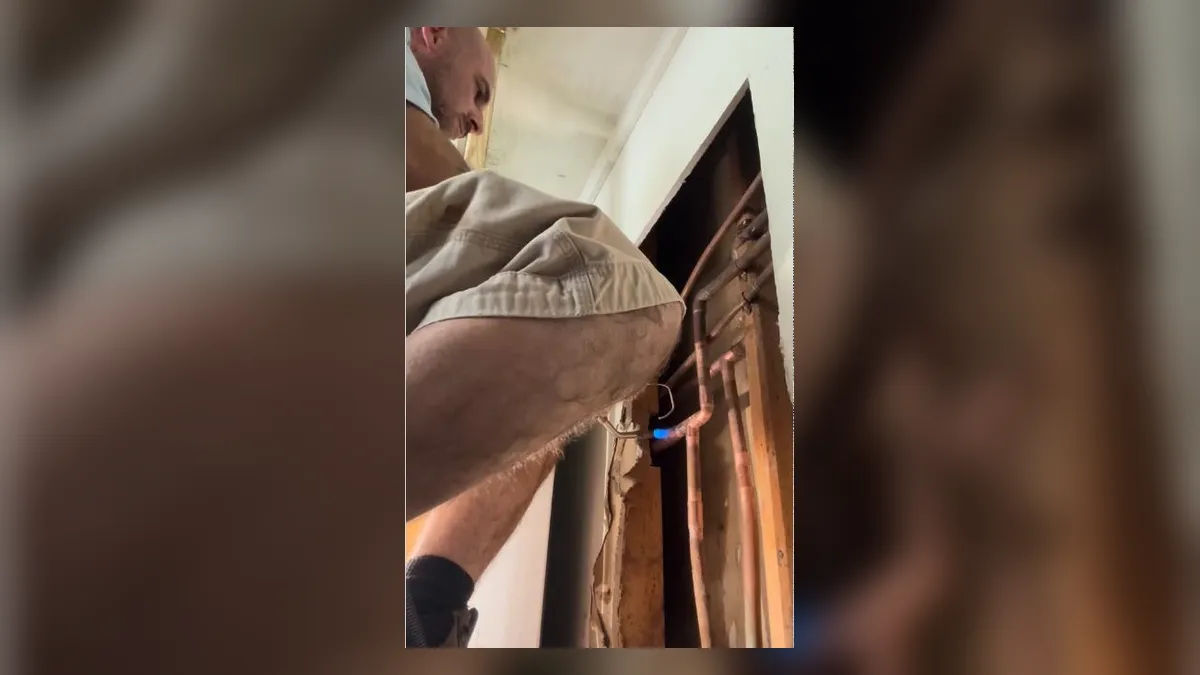
Maricopa's master-planned homes from 2005 to 2020 were built with copper supply lines embedded in or beneath slab foundations, routed through interior wall cavities covered with drywall, and enclosed in stucco on the exterior. None of these locations reveals a leak visually until water has migrated outward far enough to appear as a stain, a bubble in the paint, or a soft spot in the flooring.
In Maricopa's hard water environment, copper line failures often begin as pinholes that leak a slow, steady trickle rather than a burst. A pinhole leak at 60 PSI can lose 100 to 200 gallons per day — enough to saturate adjacent materials quietly while the homeowner notices only a gradual increase on their Global Water Resources bill. By the time a floor stain or wall discoloration appears, the water has typically been present for weeks and the adjacent materials have absorbed significantly more moisture than the visible symptom suggests.
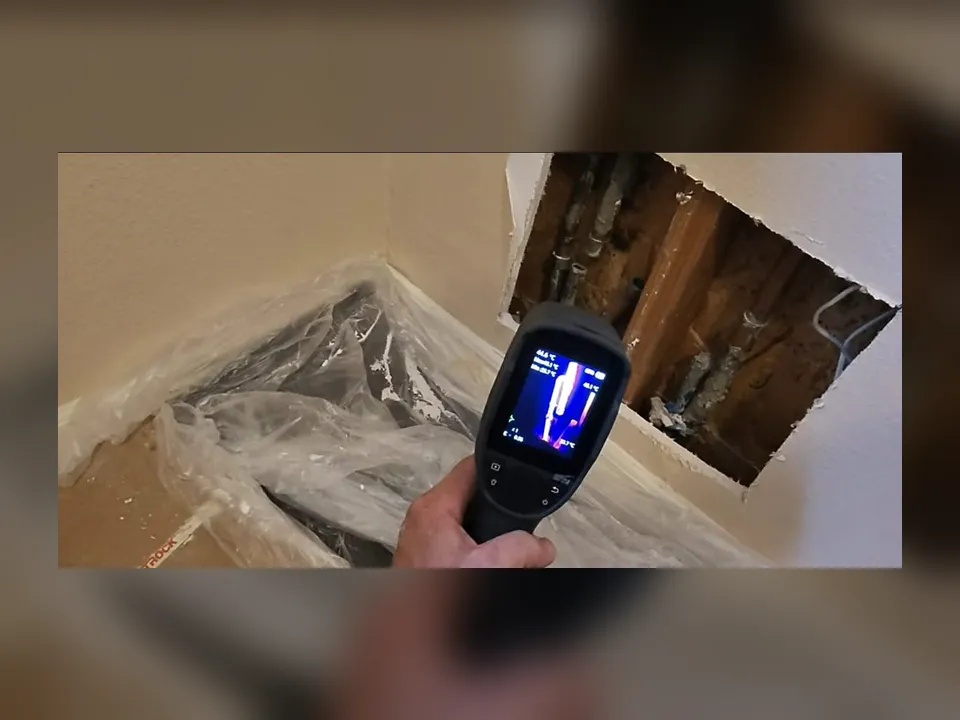
Professional leak detection avoids the 'open everything and look' approach that causes unnecessary structural damage. Acoustic sensors hear the frequency signature of water escaping under pressure through a small breach. Thermal cameras detect the temperature difference between wet and dry materials. Pressure testing isolates which supply circuit is losing pressure. Together, these methods locate the failure point to within a few inches so that wall or slab access is targeted and minimal.
How we detect hidden leaks in Maricopa homes
Acoustic electronic leak detection
Sensitive listening devices amplify and analyze the sound spectrum produced by water escaping under pressure. Each pipe material and diameter produces a characteristic frequency range when leaking. Technicians trained in acoustic detection walk the pipe path with ground microphones and contact sensors, identifying the precise location of maximum sound intensity over the slab, through floor tile, and along wall runs. Acoustic detection is the primary tool for slab-embedded supply line leaks in Maricopa's copper-in-slab 2005-to-2020 homes.
Thermal infrared imaging
Infrared cameras detect surface temperature differences caused by water presence or evaporation. A hot water line leak raises the temperature of surrounding concrete or drywall in a characteristic pattern. A cold water leak in a warm slab produces a cooler zone. Thermal imaging works through finished flooring and interior wall surfaces without contact, providing a map of temperature anomalies that guides the acoustic follow-up to its precise location.
Pressure isolation and circuit testing
We shut off individual supply circuits using isolation valves and monitor pressure gauges to identify which circuit is losing pressure. This step narrows the search from the entire supply system to a specific zone before acoustic and thermal methods are deployed, reducing detection time significantly in larger Province or Rancho El Dorado homes with multiple supply runs.
Tracer gas detection for underground lines
For underground supply lines to pool equipment, irrigation systems, or service lines between the Global Water Resources meter and the foundation, tracer gas detection provides a method that acoustic listening cannot reach. A non-toxic gas mixture is introduced into the isolated pipe section. The gas migrates through the soil to the surface at the leak point and is detected by a handheld sensor. This method locates underground leaks without excavation along the full pipe run.
What happens after the leak is located in Maricopa
Targeted access and immediate repair
Once the leak is located to within a few inches, we open only the minimum wall or slab area needed to access the failure. Targeted access prevents the widespread damage of the old 'open until you find it' approach. Most slab pinhole repairs require a concrete cut of 6 to 18 inches depending on pipe depth and the surrounding reinforcement type. Wall leaks typically require opening one to two drywall panels.
Repair options presented before work begins
After locating the leak, we present all appropriate repair options with pricing before any concrete or drywall is opened. For a slab-embedded leak, options typically include spot repair at the failure point, pipe rerouting through walls or attic to bypass the leaking section entirely, or epoxy lining if the failure is in a run with multiple points of concern. You choose the repair approach before demolition begins.
Coordination with restoration contractors
Leak detection and plumbing repair stops at the water. Drywall patching, tile replacement, flooring repair, and mold remediation are handled by restoration contractors. We work with your preferred contractor or can recommend licensed restoration services that work in Maricopa and Pinal County. For Province HOA properties, we can advise on approved restoration contractors who meet the community's exterior finish standards.
Cost of Leak Detection in Maricopa and Pinal County
| Service | Typical Range |
|---|---|
| Acoustic/thermal leak detection (standard) | $200 – $450 |
| Slab leak pinpoint detection (full inspection) | $250 – $500 |
| Tracer gas underground line detection | $300 – $600 |
| Full property survey (multiple suspect areas) | $400 – $700 |
| Detection plus targeted slab access (repair quoted separately) | $350 – $650 |
Detection cost is separate from repair cost. Once the leak is located, we provide a repair estimate before any access work begins. Detection fees for slab leaks that proceed to repair on the same visit are credited toward the repair total.
What we also handle
Leak detection often reveals adjacent issues. We also handle slab leak repair once the failure point is confirmed, full repiping when detection reveals widespread pipe deterioration, and pool leak detection for water loss from pool structures and underground plumbing.
Frequently asked questions
Related Services
Areas We Serve
Related Reading
Schedule Leak Detection in Maricopa
Licensed & insured. Free estimates. 24/7 emergency response for Maricopa and Pinal County homeowners.