Water Softener Installation & Repair in Maricopa, AZ
Maricopa's water comes from local groundwater aquifers managed by Global Water Resources, a private regulated utility that serves most of the city. Unlike Phoenix metro communities supplied by the Central Arizona Project, Maricopa draws from deep wells that carry high concentrations of calcium and magnesium. Local water hardness consistently tests between 20 and 35 grains per gallon, among the highest in Arizona. Without a properly sized water softener, that mineral load shortens water heater life by years, clogs fixture aerators, leaves scale on every surface, and accelerates corrosion inside copper supply lines embedded in slab foundations.
What a water softener does and why Maricopa specifically needs one
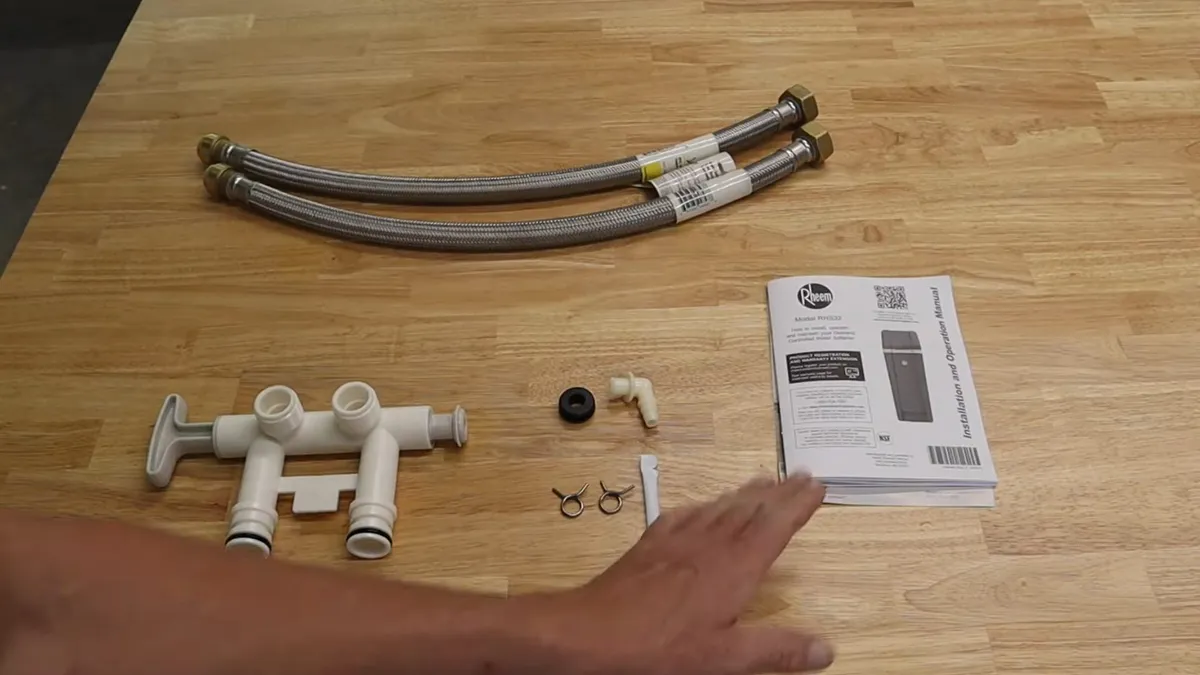
A water softener removes calcium and magnesium ions from your water supply through a process called ion exchange. Hard water passes through a resin tank filled with charged beads that attract and hold mineral ions, releasing sodium ions in their place. The result is softened water that does not form scale inside pipes, water heaters, dishwashers, washing machines, or shower heads.
In most CAP-served Arizona cities, water hardness averages 12 to 18 GPG. Maricopa's non-CAP groundwater regularly measures 20 to 35 GPG. At that hardness level, a water heater without a softener typically accumulates enough sediment to require replacement 2 to 4 years earlier than its rated lifespan. Scale also narrows copper supply lines gradually, reducing pressure and increasing the risk of pinhole leaks in older runs.
Most premium homes in Rancho El Dorado, Province, and Glennwilde install a water softener as one of the first home improvements after moving in. Many pair it with an under-sink reverse osmosis system for drinking water. This softener-plus-RO combination is the recognized standard for managing Maricopa's groundwater quality.
How we assess your water softener needs in Maricopa
Water hardness testing at your tap
We measure actual hardness at your kitchen tap using a reagent test kit or electronic meter. Global Water Resources publishes annual water quality reports, but hardness can vary by neighborhood and season within the same distribution zone. Testing at the tap gives the exact number we need to size your system correctly.
Flow rate and capacity calculation
We calculate your home's peak flow rate in gallons per minute and your estimated daily water use based on household size. These two numbers determine the grain capacity your softener needs to handle without running out of soft water between regeneration cycles. Undersized systems in large Province or Rancho El Dorado homes are a common reason existing softeners underperform.
Existing system inspection and fault diagnosis
For repair calls, we inspect the resin tank, control valve, brine tank, and all connections. We run a regeneration cycle and measure outgoing hardness to verify whether the resin is exhausted, the valve is malfunctioning, or salt bridging is blocking the brine from reaching the resin. Each of these conditions has a different repair path and cost.
Water softener installation and repair methods
Ion exchange softener installation
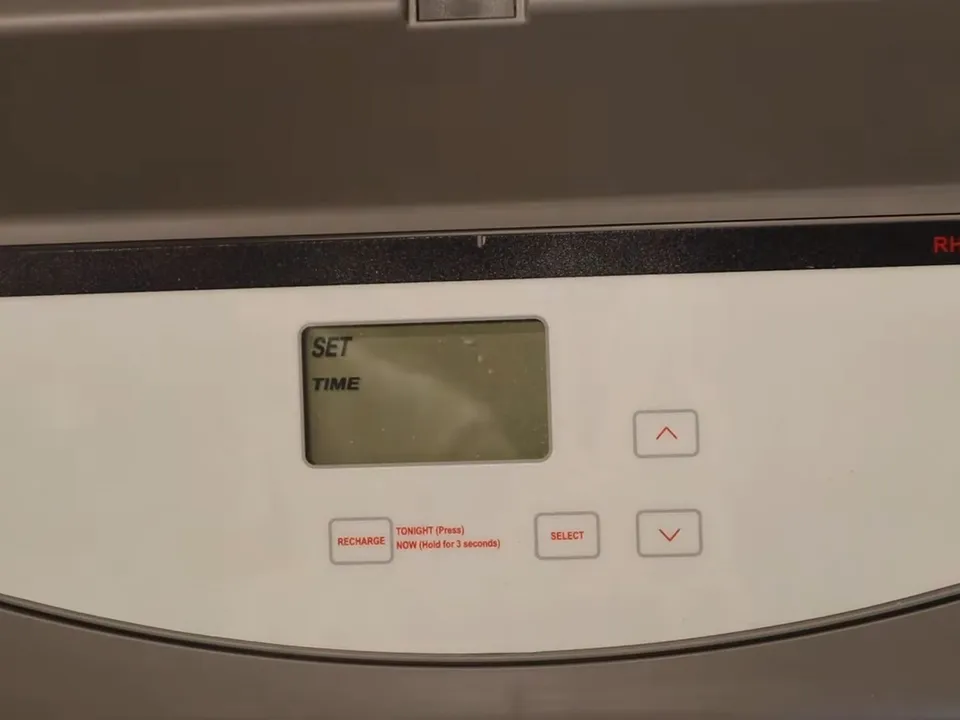
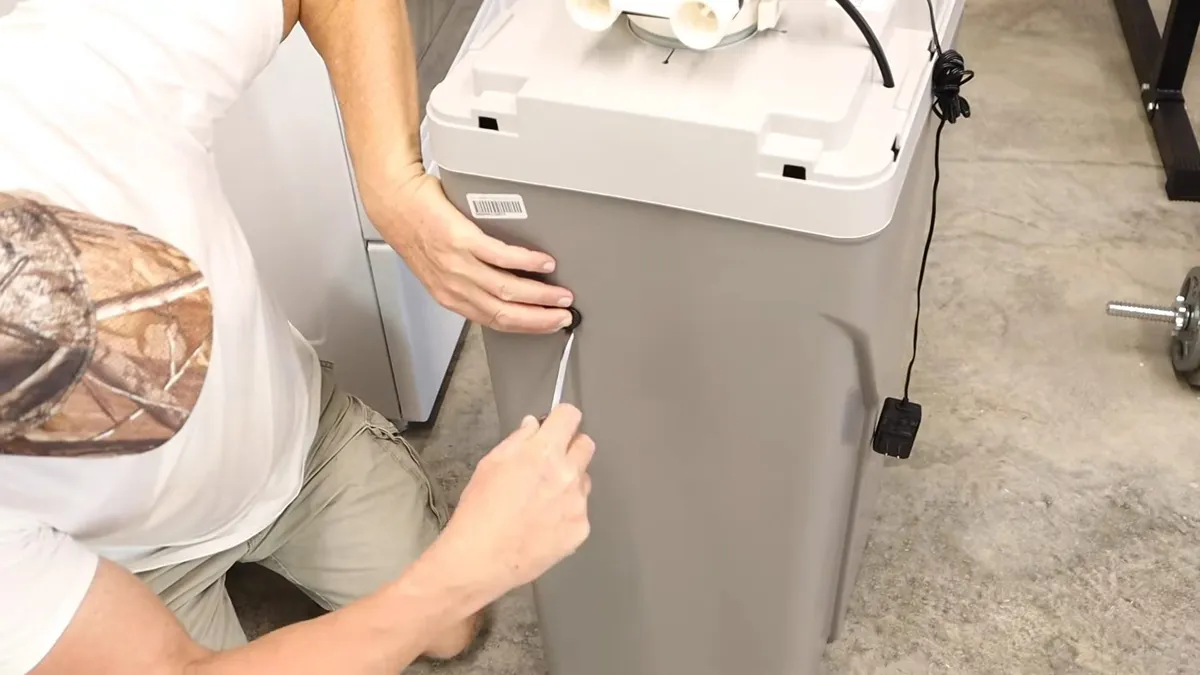
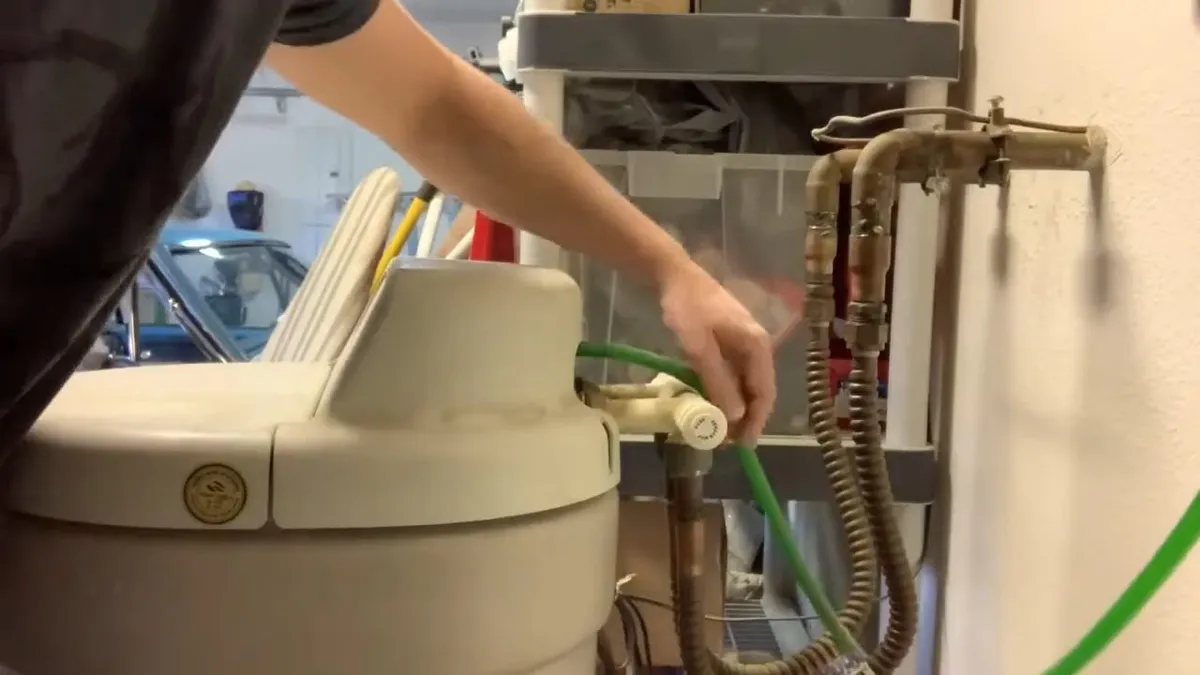
We install single-tank salt-based ion exchange softeners at the whole-house entry point, typically in the garage near the water heater. Installation includes supply line connection, drain line routing, bypass valve fitting, and programming the control head for Maricopa's specific hardness range and your household's daily use. We test outgoing hardness before leaving to confirm the system is working correctly.
Twin-tank softener for larger Province and Rancho El Dorado homes
Large homes with 4 or more occupants, or homes with high-volume irrigation systems, often benefit from a twin-tank configuration. One tank softens while the other regenerates, providing uninterrupted soft water. This is particularly common in Province community homes where back-to-back showers and large laundry volumes are typical of an active adult household.
Softener repair: salt bridge, resin replacement, and valve service
Salt bridging occurs when humidity causes salt to form a hardened crust above the brine solution, preventing regeneration. We break and remove the bridge, inspect the tank, and advise on salt type and fill levels to prevent recurrence. Exhausted resin is replaced in place without removing the tank. Control valve cartridges, injectors, and O-ring kits are replaced using OEM or equivalent parts compatible with most major brands.
Cost of Water Softener Installation in Maricopa and Pinal County
| Service | Typical Range |
|---|---|
| 32K grain softener, installed | $1,200 – $1,800 |
| 48K grain softener, installed | $1,600 – $2,400 |
| 64K grain or twin-tank, installed | $2,200 – $3,500 |
| Softener repair (salt bridge, valve, resin) | $150 – $600 |
| Softener + RO bundle, installed | $1,900 – $3,800 |
Prices vary by system capacity, brand, and installation complexity. Maricopa's hard water typically requires higher-capacity systems than Phoenix metro averages. All estimates are provided before work begins.
What we also handle
Water softener service often leads to related water quality work. We also install and service reverse osmosis systems paired with softeners, whole-home carbon filtration for taste and odor, and water heater maintenance to extend life in homes that have been running on hard water without a softener.
Frequently asked questions
Related Services
Areas We Serve
Related Reading
Schedule Water Softener Installation in Maricopa
Licensed & insured. Free estimates. 24/7 emergency response for Maricopa and Pinal County homeowners.