Pool Leak Detection & Repair in Maricopa, AZ | Pinal County
Approximately 30 to 35 percent of homes in Maricopa have a pool, most installed during the master-planned construction boom between 2005 and 2020. These pools are now old enough that seals, fittings, and underground supply lines are beginning to show their age. Add in Maricopa's extreme summer heat, Pinal Valley soil movement during monsoon season, and Global Water Resources' mineral-rich water, and pool leaks in Maricopa tend to be both more frequent and harder to detect than in cooler climates. Maricopa Plumbing Pros provides pool leak detection and repair using sonar, dye testing, and pressure methods that locate failure points without draining the pool.
How to tell if your Maricopa pool is losing water to a leak
Every outdoor pool loses water to evaporation. Maricopa averages over 300 days of sunshine per year and summer temperatures regularly exceed 110 degrees Fahrenheit, which means evaporation losses are significant even without a leak. The problem is that a leaking pool and a hot-day evaporation pattern can look the same to a homeowner who is just watching the water line drop.
A pool losing more than a quarter inch of water per day beyond what the bucket test predicts as normal evaporation is leaking. Other signals include wet soil or grass around the equipment pad when the system has been running, unexplained increases in Global Water Resources water bills, visible cracks in the pool shell, or discoloration near a specific fitting or return jet.
Tract pools built in Maricopa's master-planned communities typically have gunite shells with plaster or pebble finishes. As those shells age and Pinal Valley clay shifts beneath the deck, stress cracks can develop at structural points. Underground supply and return lines that run from the equipment pad to the pool can develop joint failures from years of soil movement and thermal cycling in the desert heat.
How we detect pool leaks in Maricopa and Pinal County
Bucket evaporation test confirmation
We perform or review the results of a bucket test to establish the baseline evaporation rate for the day's conditions. This step confirms whether the pool is genuinely losing water beyond evaporation before deploying more advanced detection methods.
Dye injection testing
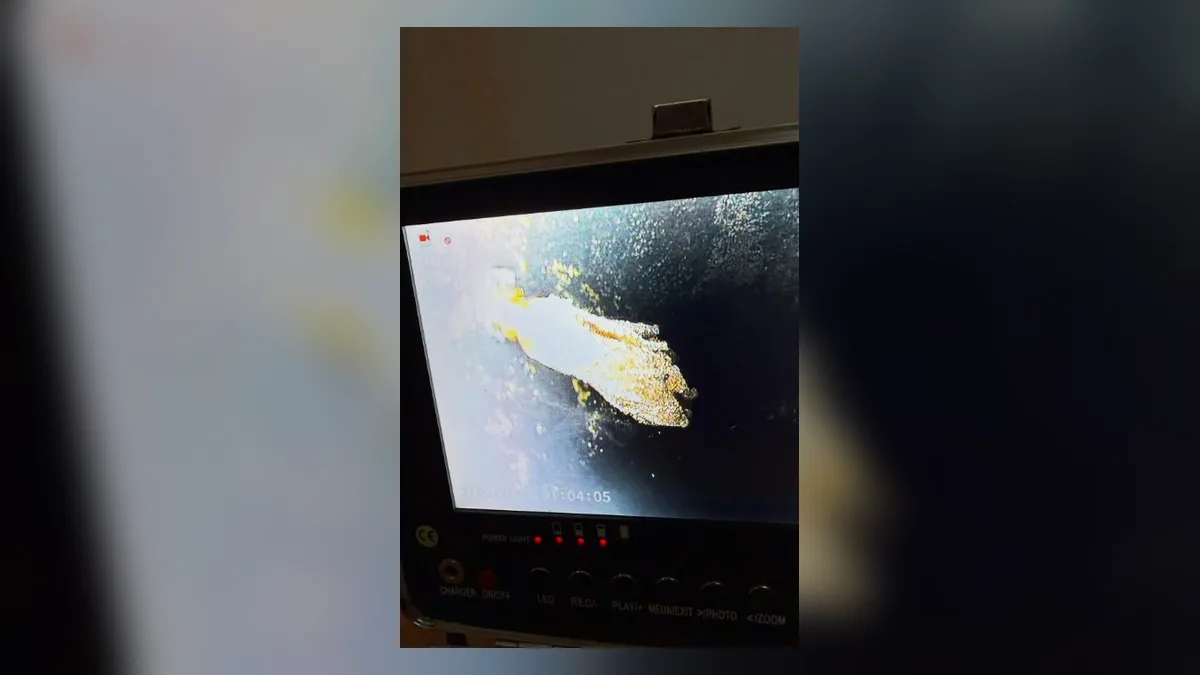
A non-toxic, brightly colored dye is injected near suspect fittings, return jets, skimmer bodies, and the pool shell. Active leaks draw the dye toward the failure point in a visible stream. Dye testing is highly reliable for identifying structural cracks and fitting leaks without any excavation.
Sonar and acoustic pressure detection
Electronic listening equipment detects the sound signature of water escaping under pressure through an underground supply or return line. Sonar methods pinpoint underground line leaks to within a few feet without any digging, which preserves pool decking and landscaping. This is the primary method for diagnosing underground plumbing failures beneath Rancho El Dorado or Province pool decks.
Pressure testing for underground return lines
Individual circulation circuits are isolated and pressure-tested to identify which underground line is losing pressure. This narrows the location of underground leaks before sonar is deployed, reducing detection time for pools with multiple return lines or complex plumbing layouts.
Pool leak repair methods for Maricopa homeowners
Pool shell crack injection and patching
Structural cracks in gunite pool shells are cleaned, widened slightly to accept repair material, and filled with hydraulic cement or polyurethane crack injection. The repair is finished with plaster or pebble material matched to the existing surface. Minor cracks are repaired with the pool at water level using underwater epoxy compounds applied by a diver. Larger structural cracks require partial draining.
Skimmer and return fitting repair
Skimmer bodies and return fittings are common leak points in Maricopa's aging pool stock. The fitting is cut out and replaced with a new unit bonded to the pool shell with structural epoxy and reinforced plaster. Skimmer body replacements typically require partial draining. Return fitting replacement can often be done at the pool's normal water level.
Underground supply and return line repair
Once sonar pinpoints the leak location in an underground line, we excavate precisely at that point, expose the pipe, and repair or replace the failed section. Trenchless pipe lining is used where excavation would damage finished decking or hardscape that is difficult to restore in HOA communities with specific exterior standards.
Cost of Pool Leak Detection in Maricopa and Pinal County
| Service | Typical Range |
|---|---|
| Pool leak detection (full inspection) | $300 – $600 |
| Shell crack repair (minor) | $300 – $800 |
| Shell crack repair (structural, partial drain) | $800 – $2,500 |
| Skimmer or return fitting replacement | $300 – $700 |
| Underground line excavation and repair | $600 – $2,500 |
| Trenchless underground line lining | $800 – $2,000 |
Pool repair costs depend on the number and location of leak points. Complex repairs with multiple failure sites or difficult-access underground lines are at the higher end of the range. All pricing is given before excavation or decking is opened.
What we also handle
Pool plumbing connects to the broader home plumbing system. We also handle backflow testing and prevention for pool fill lines (required by ADEQ for pools connected to potable supply), main water line service when pool makeup water draws from the main supply, and general leak detection for pool-adjacent irrigation or outdoor plumbing systems.
Frequently asked questions
Related Services
Areas We Serve
Related Reading
Schedule Pool Leak Detection in Maricopa
Licensed & insured. Free estimates. 24/7 emergency response for Maricopa and Pinal County homeowners.