
If you moved into Rancho El Dorado, Tortosa, or Cobblestone Farms between 2005 and 2015, your home's copper supply lines have now been in contact with Global Water Resources groundwater for 10 to 20 years. That timeline, combined with Maricopa's 25 to 35 GPG water hardness and the Pinal Valley's seasonally shifting alluvial clay soil, places your home squarely in the age range when the first slab leaks from copper pipe corrosion typically appear. This is not alarmism. It is a predictable consequence of the specific convergence of factors that define Maricopa's plumbing environment.
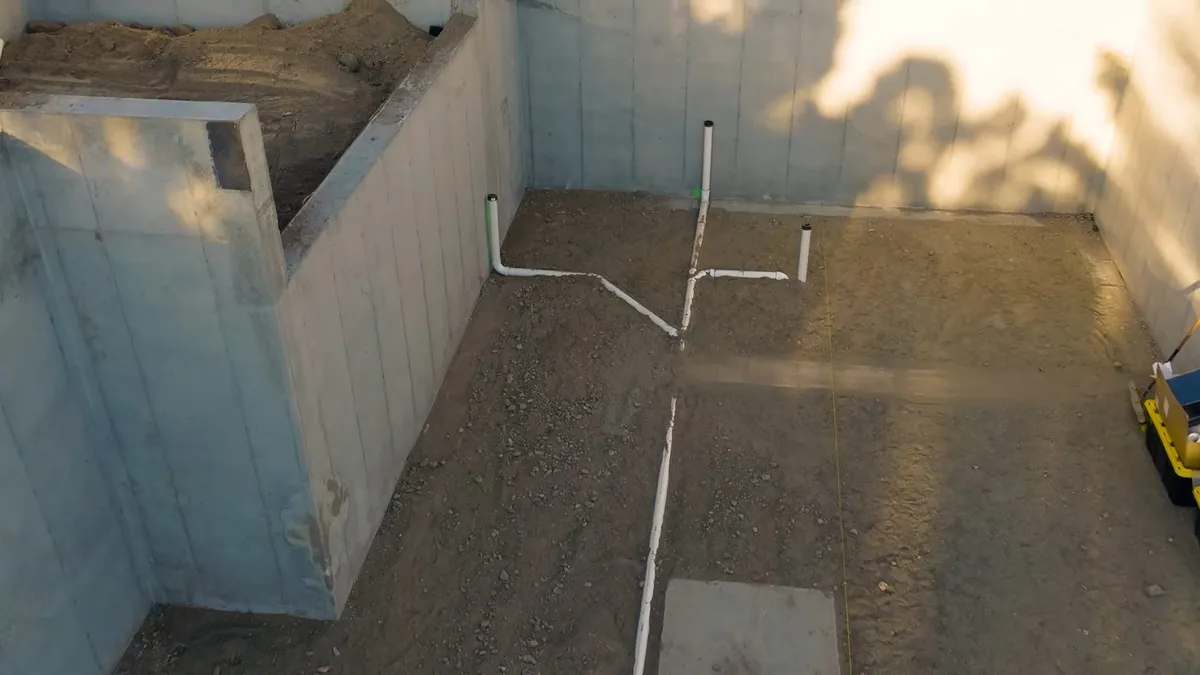
The three factors converging right now in Maricopa
Slab leaks in Arizona are caused by one or more of three mechanisms: hard water corrosion of copper pipe interiors, soil movement stressing pipe joints, and high supply pressure fatiguing fittings over time. In most Arizona markets, only one or two of these factors apply with significant force. In Maricopa, all three apply simultaneously, and all three are intensifying as the 2005-to-2015 housing stock ages.
Hard water from Global Water Resources at 25 to 35 GPG is the primary driver. At that hardness level, the calcium and magnesium ions in solution react with the copper pipe interior through a pitting corrosion mechanism. Type M copper, the most common residential supply pipe in Maricopa's master-planned construction, has a wall thickness of approximately 0.028 to 0.035 inches. Hard water pitting can advance at rates sufficient to produce pinhole failures in copper at this thickness within 15 to 20 years of continuous service. The hottest sections of the supply loop, where water temperature accelerates the mineral precipitation reaction, develop failures first. This is why the warm floor spot typically appears near bathroom or kitchen areas first, above the hot water supply lines running to those fixtures.
The Pinal Valley's alluvial clay and caliche soil adds a second failure mechanism. This soil contains clay minerals that expand when wet and contract when dry. During Maricopa's long dry season, the clay beneath slab foundations contracts and pulls away from the pipe. When monsoon moisture arrives, it swells back. That annual shrink-swell cycle applies shear stress to the points where copper pipes penetrate the slab or where branch fittings join the main supply run. Over 15 to 20 cycles, joints that began in perfect alignment develop hairline offsets that eventually allow pinhole water entry.
Supply pressure from GWR in most Maricopa residential zones runs 55 to 75 PSI. Continuous pressure cycling as fixtures open and close, water heaters call for supply, and the main line pressure fluctuates also stresses fittings over years of service. Homes without a properly charged expansion tank experience amplified pressure spikes each time the water heater heats a tank of water, adding thermal-expansion-driven pressure to the supply system that fittings must absorb.
Which communities and construction eras carry the highest risk right now
2005 to 2008 construction (highest current risk)
Rancho El Dorado's first phases, Province's initial sections, and early Tortosa and Maricopa Meadows construction from 2005 to 2008 have copper supply lines that are now 17 to 20 years old. These homes have absorbed the full 17-to-20-year cycle of hard water contact and Pinal Valley soil movement. At the national level, pinhole leaks in copper supply systems typically begin appearing at the 15 to 20-year mark in moderately hard water markets. In Maricopa at 25 to 35 GPG, that timeline moves earlier. The 2005-to-2008 construction zone is in the middle of its primary slab leak window right now.
2009 to 2012 construction (elevated risk, early entries)
The mid-phase Maricopa construction from 2009 to 2012, including continued Rancho El Dorado development, Glennwilde's early phases, and ongoing Tortosa and Cobblestone Farms construction, produced homes that are now 13 to 16 years old. These homes are in the early part of the risk window. Pinhole failures are less common in this cohort than in the 2005-to-2008 group, but they are not rare. Homeowners in this era should be monitoring their Global Water Resources bills and floors for early signals rather than assuming their home is too new to be at risk.
2013 to 2015 construction (approaching the risk zone)
Homes built from 2013 to 2015 in Glennwilde, Sorrento's early phases, and continued Cobblestone Farms development are now 10 to 12 years old. They are approaching the leading edge of the risk window without being fully in it yet. However, the specific hardness conditions in Maricopa at 25 to 35 GPG mean that the corrosion timeline is compressed relative to softer-water markets. Installing a water softener in a 2013-to-2015 home now slows the corrosion rate for the remaining service life of the copper supply, buying meaningful additional years before the first failure appears.
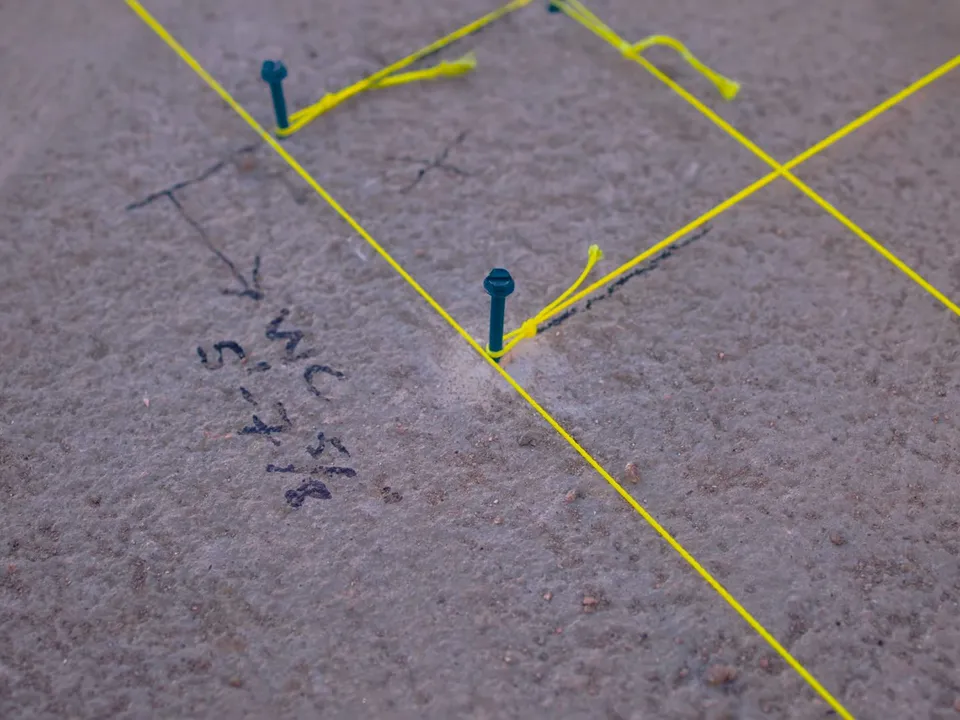
The specific failure sequence in Maricopa homes
Slab leaks in Maricopa's master-planned construction follow a consistent failure sequence. The failure begins at the point of maximum hard water corrosion exposure. In most Maricopa homes, this is the hot water supply lines running under the bathroom or kitchen area: these sections see the hottest water temperatures, which accelerate mineral precipitation and corrosion rate, and they are the most deeply embedded in the slab, where the pipe experiences the most soil movement stress.
The pinhole begins as a micro-fracture in the copper wall too small to register on a meter test. As it grows, it begins producing the slow pressure loss that eventually shows on the meter and the slow water release that eventually heats the concrete above. In a Maricopa home at 65 PSI, a 1/16-inch pinhole releases water fast enough to saturate the soil beneath the slab within days to weeks. The first visible symptom appears later still: the warm floor spot is the signal that water has been running long enough to heat 4 to 6 inches of concrete consistently.
By the time the warm spot is detectable underfoot, the slab leak has typically been active for days to several weeks. This is why the meter test is the more reliable early indicator: it detects active water loss before any visible symptom appears at the floor surface.
What to do proactively if your home is in the risk window
Homeowners in the 2005-to-2012 construction cohort have three meaningful proactive steps available. First, perform the Global Water Resources meter test monthly: close all fixtures, check the low-flow indicator, and watch for movement. This catches active leaks before floor damage begins. Second, add a water softener if one is not already installed. A softener installed today cannot reverse 15 to 20 years of corrosion, but it slows the ongoing rate of pipe wall thinning and may delay the next failure point by years. Third, consider a professional supply system pressure survey, which identifies sections showing pressure loss without requiring concrete access, providing a full-system picture of where the next failure is likely to develop.
For homeowners who have already experienced one slab leak, the appearance of a second in a different location within 2 to 3 years is a strong indicator that the supply system is deteriorating broadly rather than at isolated points. In this scenario, whole-home repiping from copper to PEX is often the most cost-effective long-term solution: it replaces the entire supply system in one project and permanently eliminates the hard-water copper corrosion failure pathway.