
Province residents who spend the winter and spring in Maricopa and the summer months at a northern residence face a plumbing management challenge that most Maricopa homeowners do not: their home sits vacant in Arizona's most punishing season. From May through September, Province homes absorb daily temperatures above 110 degrees Fahrenheit, face monsoon moisture events that stress slab foundations and buried pipe joints, and receive no attention when slow leaks develop. A departure checklist that addresses the most common vacancy-period plumbing failures, combined with a re-occupancy inspection when you return, prevents the surprise of returning to a home with a months-long undetected leak on the Global Water Resources bill.
Why Province snowbird vacancy is a specific plumbing risk
A Province home vacant for 3 to 5 months during summer is exposed to two simultaneous plumbing risks that do not apply during the cooler occupied months. First, supply line failures that develop slowly during the summer have no one to notice them. A toilet flapper that begins weeping, a supply hose connection that starts dripping, or a slow slab leak that begins producing a warm floor spot will all continue for weeks or months, running through the Global Water Resources meter and accumulating on the account, before the homeowner returns. Second, the summer monsoon season from mid-June through September produces the soil moisture cycles that stress slab foundations and buried pipe joints in Maricopa's Pinal Valley clay. Slab leaks in Province homes often develop or worsen during the summer and are discovered on the homeowner's return.
GWR offers an online customer portal where account holders can view hourly water consumption data. Province snowbirds who enable this feature before departing can monitor consumption remotely. A neighbor or property manager checking the account monthly can catch the profile of a running toilet or slow leak during the vacancy period before it reaches the end of a 60 to 90-day billing cycle. Setting up the GWR online account at gwresources.com before departure is the single most valuable preparation step a Province snowbird can take.
Before you leave: the departure checklist
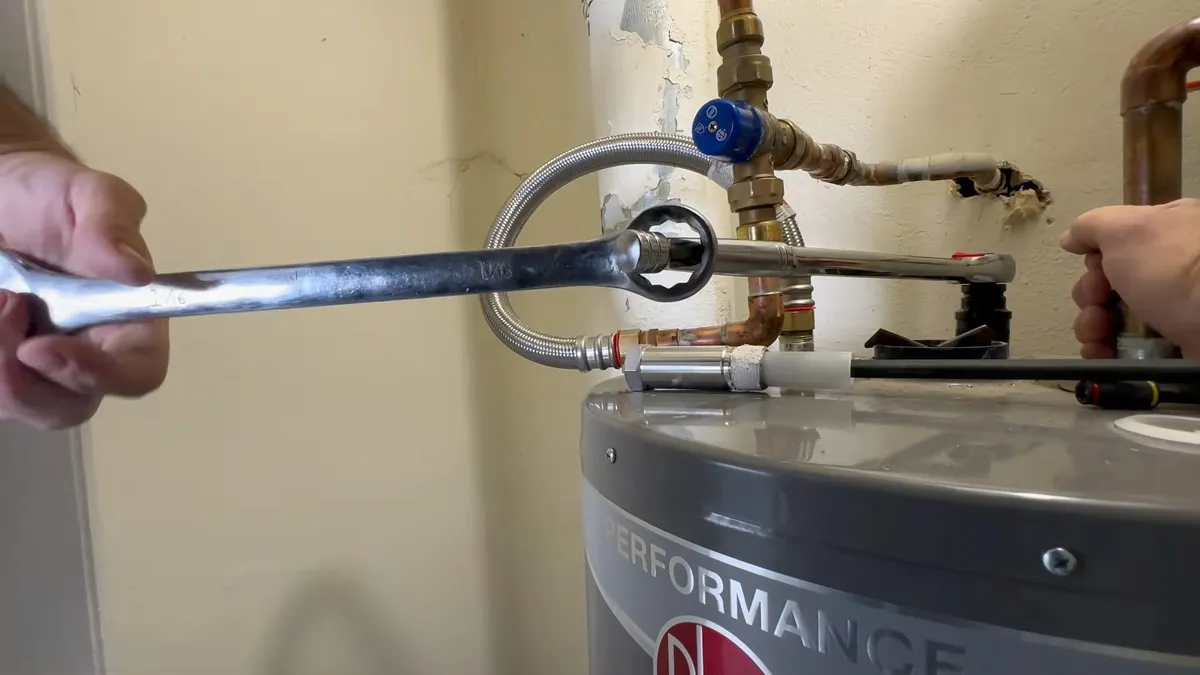
Water heater management
For gas water heaters, set the thermostat to the "VAC" or vacation setting, which maintains a minimal temperature to protect against stagnation without expending the energy to keep a full tank at 120 to 130 degrees Fahrenheit. For electric water heaters with a vacation setting, use the same approach. For Province homes with heat pump water heaters installed in the garage, the vacation setting is typically the most energy-efficient operating mode during a period when the unit will not be needed. Some Province homeowners whose home will be completely vacant shut off the water supply and drain the water heater entirely. This eliminates the risk of a water heater failure-related leak during vacancy but requires a proper re-startup procedure on return.
Main supply and fixture supply valves
Before departing, test the operation of the main interior supply shut-off valve. In most Province homes, this valve is in the garage at the point where the supply line enters the house from the GWR meter at the street. Turn it fully clockwise to confirm it closes completely, then open it again. A valve that will not close fully or that leaks at the stem when operated should be repaired before departure, not left to be dealt with on return. Also test the individual supply valves at each toilet and under each sink. These quarter-turn ball valves should turn smoothly; a stuck valve is a future emergency waiting to develop.
Irrigation system review
Province homes with drip irrigation systems connected to the homeowner's GWR meter should have the backflow preventer on the irrigation supply inspected before the seasonal departure. Maricopa requires annual testing of irrigation system backflow preventers under ADEQ cross-connection control rules. If the annual test has not been performed in the current calendar year, scheduling it before departure addresses the compliance requirement and confirms the backflow preventer is seating correctly. A failed backflow preventer during summer monsoon rains can allow contaminated soil water to enter the potable supply during a pressure drop event.
Toilet flappers and supply hose connections
Toilet flappers are the most common source of continuous low-level water loss in vacant Province homes. A flapper that seats imperfectly allows the toilet tank to drain slowly and refill repeatedly, running water through the GWR meter continuously. Before departing, add food coloring to each toilet tank and confirm no color appears in the bowl within 15 minutes without flushing. Replace any flapper that allows color to migrate. Also inspect the braided supply hoses at each toilet and under each sink. Hoses more than 7 to 10 years old in Maricopa's thermal cycling environment should be replaced before a 4-to-5-month vacancy.
Refrigerator water supply
Refrigerator ice maker and water dispenser supply lines are a common source of slow vacancy-period leaks. The 1/4-inch supply line connections at the shut-off valve and at the refrigerator inlet fitting can work loose from the thermal expansion and contraction cycles that Maricopa garages and kitchens experience in summer. Turn off the refrigerator water supply valve before departing and confirm the line connection is tight. On return, restore the supply and inspect the connection before resuming ice maker operation.
When you return: the re-occupancy inspection
Returning to a Province home after 3 to 5 months of vacancy requires a brief but systematic plumbing check before the home is fully reoccupied. These steps take 20 to 30 minutes and can identify any issues that developed during the summer before they compound further.
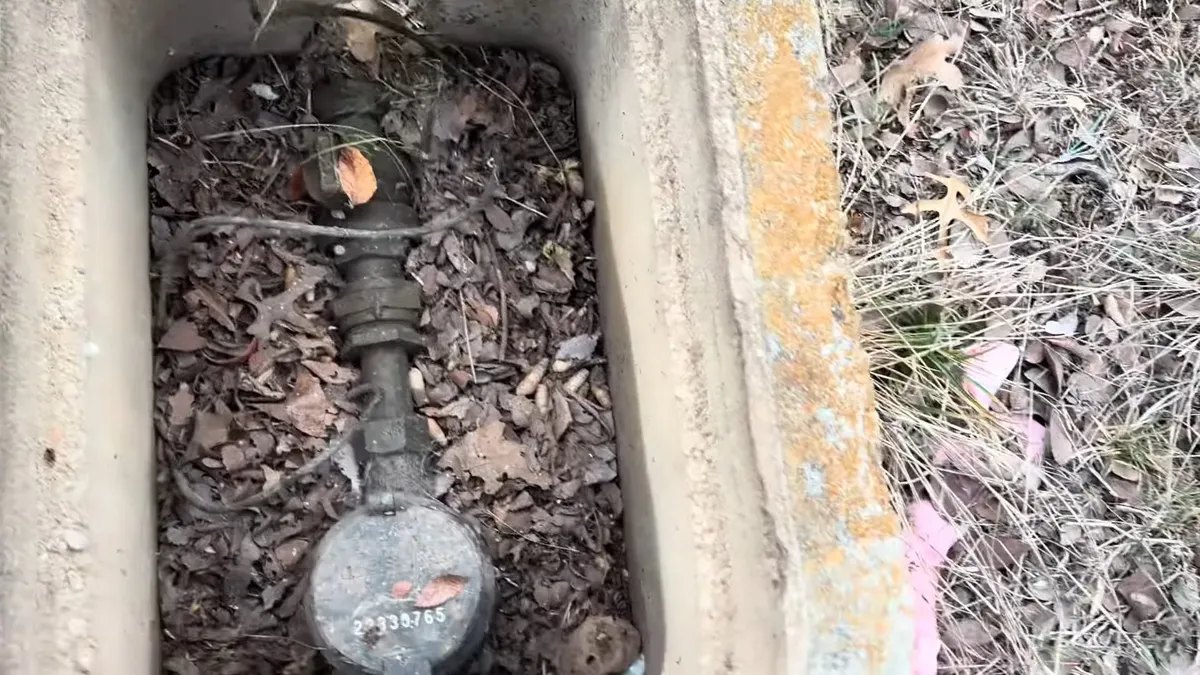
Start at the GWR meter before entering the home. Note the current meter reading, then go inside without turning on any fixtures and return to the meter after 5 minutes to see if it moved. Any movement with no fixtures on indicates an active leak somewhere on the supply system. If the meter is still, proceed with opening fixture valves and resuming normal occupancy, then check the GWR account online to compare the total consumption during the vacancy period against what was expected for a vacant home (near zero except for any irrigation programming that ran).
Restart the water heater using the manufacturer's re-startup procedure for the specific unit. Gas water heaters that have been on vacation mode or completely shut down require verifying the pilot is lit and the thermostat is returned to the operating setting before the unit will heat. Allow 30 to 60 minutes for a 50-gallon tank to reach temperature before running hot water through fixtures. While the water heater is recovering, walk each room and scan the floors and base of each toilet and cabinet for any signs of moisture, staining, or soft flooring that might indicate a slow leak that ran undetected.
A professional plumber re-occupancy inspection, scheduled for the day of or the day after return, is worthwhile for Province homeowners whose home has been vacant for a full summer. The inspection includes a full meter test, a visual check of all supply and drain connections, a floor scan for slab leak thermal signals, and a water heater anode rod assessment. Province residents who have had a slab leak previously or whose home is in the 2006-to-2012 construction era are particularly good candidates for the professional return inspection given the elevated risk profile of that construction cohort on GWR hard water.
Province snowbird tip: Set up a GWR online account at gwresources.com before you leave. Enable consumption alerts if available. Ask a neighbor or property manager to check your account monthly. A spike in daily consumption visible in the hourly data is the earliest signal of a running toilet or slow leak, appearing before any floor symptom and before the end of a 60-to-90-day billing cycle.